
Exercise studies
We offer evidence-based answers to common questions about the effects of exercise on joint health, by applying medical research techniques on a significant scale. Below you’ll find summaries of all our completed studies, encompassing knees, hips, spine; activities that include running, walking and cycling, and a broad range of participants in terms of age, gender, outlook and fitness. Each summary gives you a simple overview, with a link to the published scientific paper.
How do core muscles differ between active and inactive people?
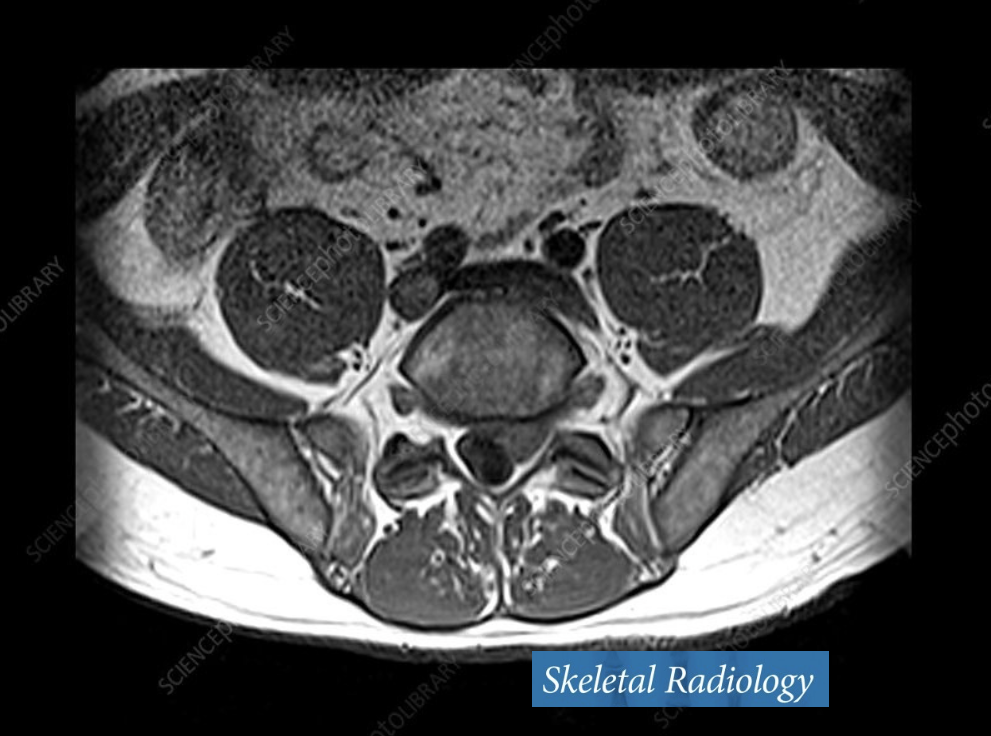
In this study, we used an automated method to analyse MRI scans, comparing muscle fat and lean muscle volume in highly active and physically inactive adults, and developing new combined measures of overall core muscle health.
Can AI give us a more detailed understanding of core muscle health?
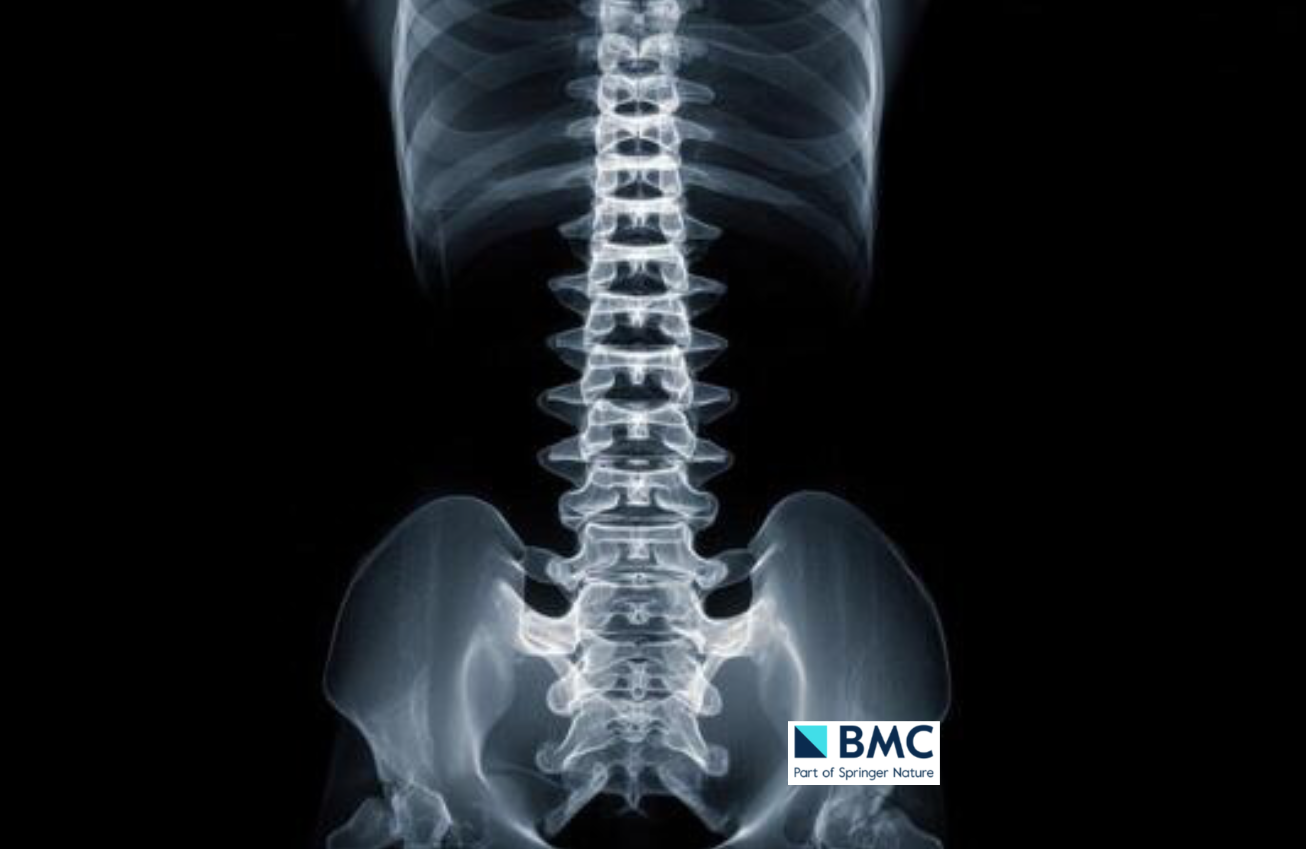
Muscle fat is an important marker of muscle health, but measuring this fat accurately from MRI scans is slow, specialist work. In this study, we tested whether a deep-learning method could do the job quickly and reliably.
How does muscle composition vary between male and female cyclists?
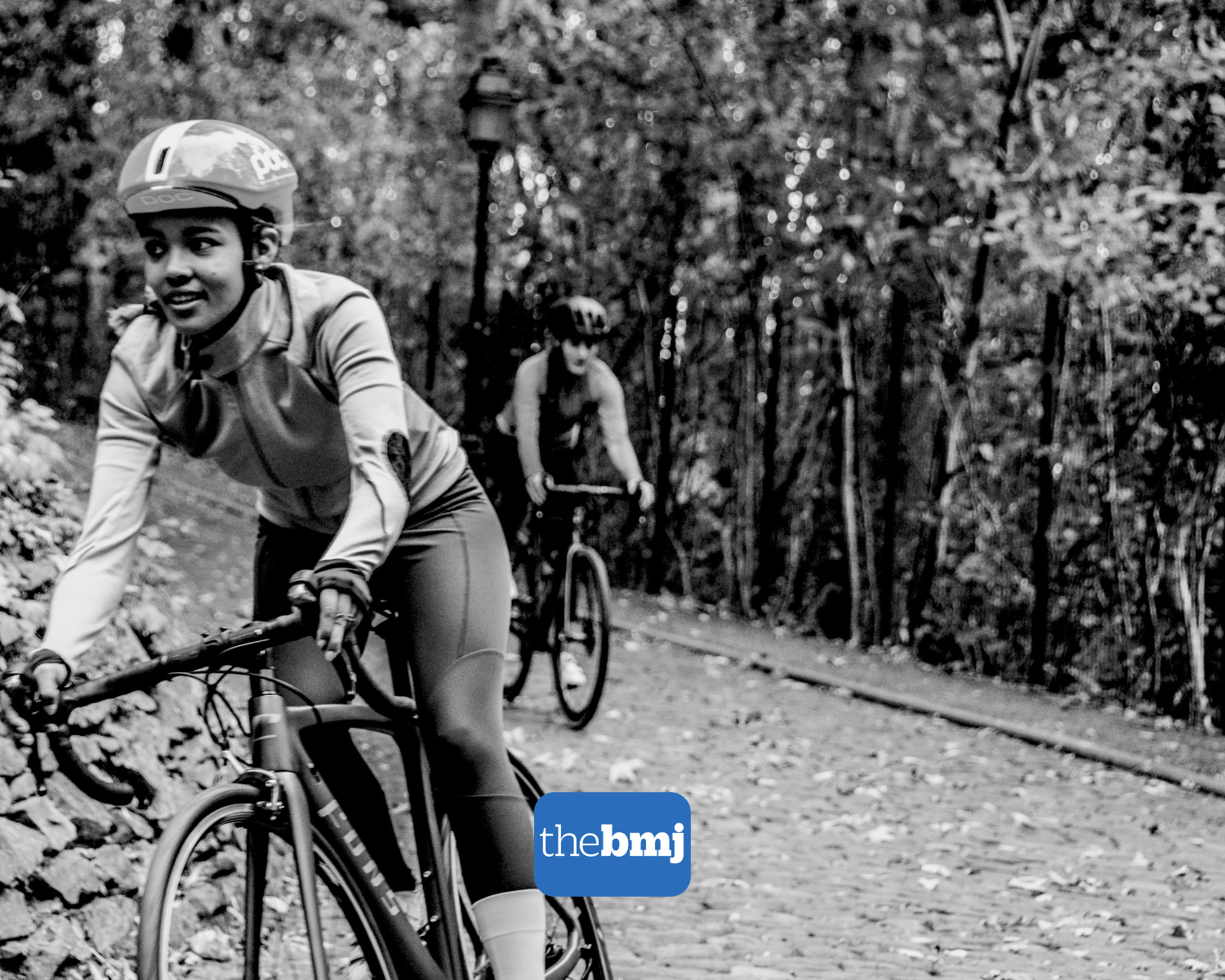
We know that women generally have proportionally lower muscle mass and higher body fat than men, but less is known about gender differences in intramuscular fat. This study explored this difference among cyclists.

How does cycling affect muscle mass?
Physical activity is crucial in reducing progressive loss of muscle as part of the natural ageing process. Our aim with this study was to quantify the benefits of cycling in helping prevent muscle decline for this group, using magnetic resonance imaging.
What do levels of muscle fat tell us about muscle health?
With this study we wanted to test the idea that the amount of fat in your muscles can be a good indicator of muscle, hip and general health.. We compared different groups, ranging from the healthy and active to those who were inactive and suffering from hip pain.