Professor Hart's new series of essays uses orthopaedic science to challenge everyday beliefs about what’s really best for our bodies.
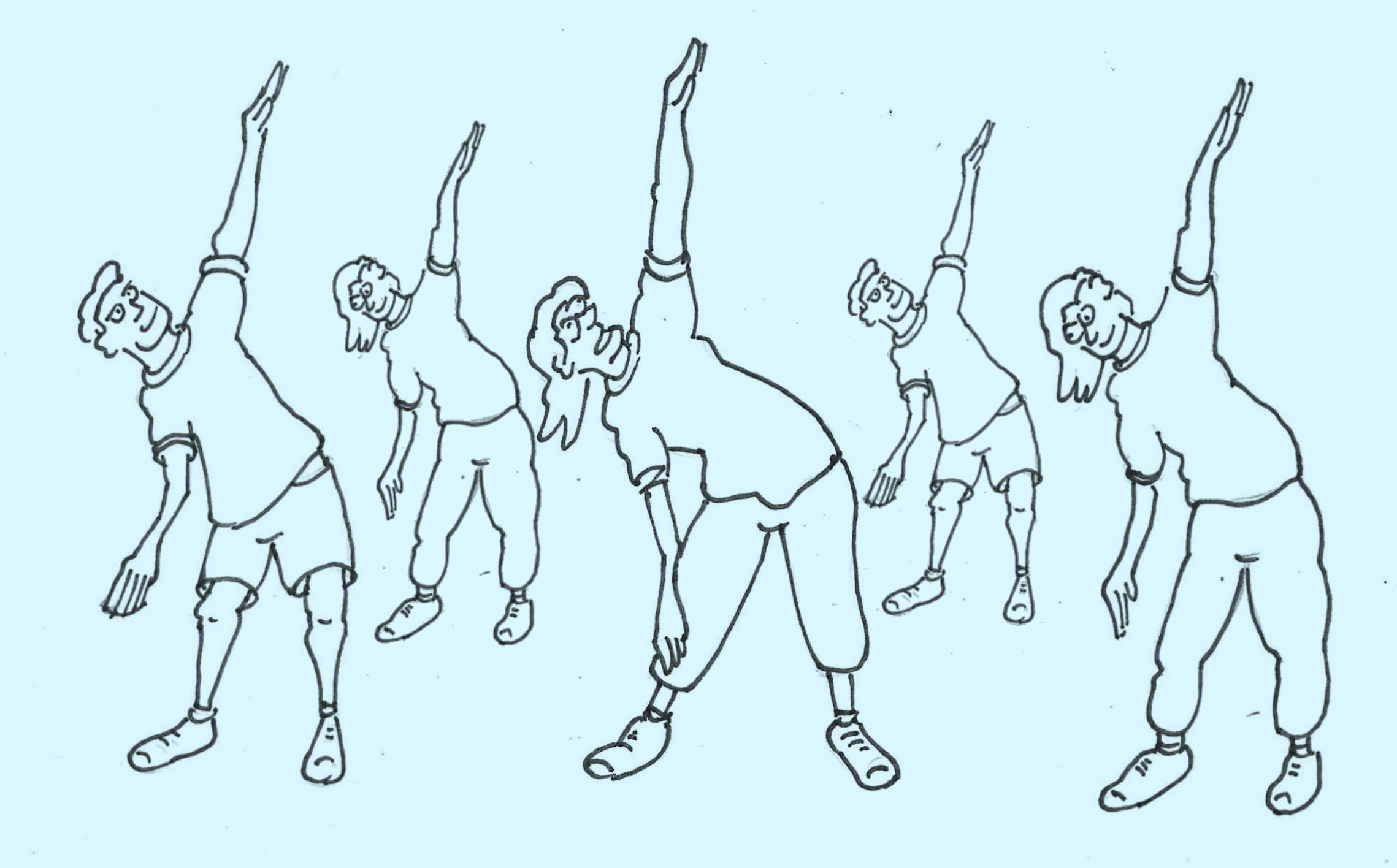
Our future quality of life is shaped by whether, when and how we exercise today.
The decisions we make every day, often decades before we ever need medical care, shape our long-term joint health.
Most orthopaedic surgeons spend their careers treating the consequences of injury and disease. Professor Alister Hart wants to help tackle the decisions that shape health long before people become patients.
Through a new series of essays, Movement is Medicine, he brings new evidence to confront the beliefs that influence how we move, respond to pain and think about ageing. Our beliefs shape countless choices over a lifetime: whether, when and how we exercise, whether we keep going through pain, and how we respond when our bodies begin to change.
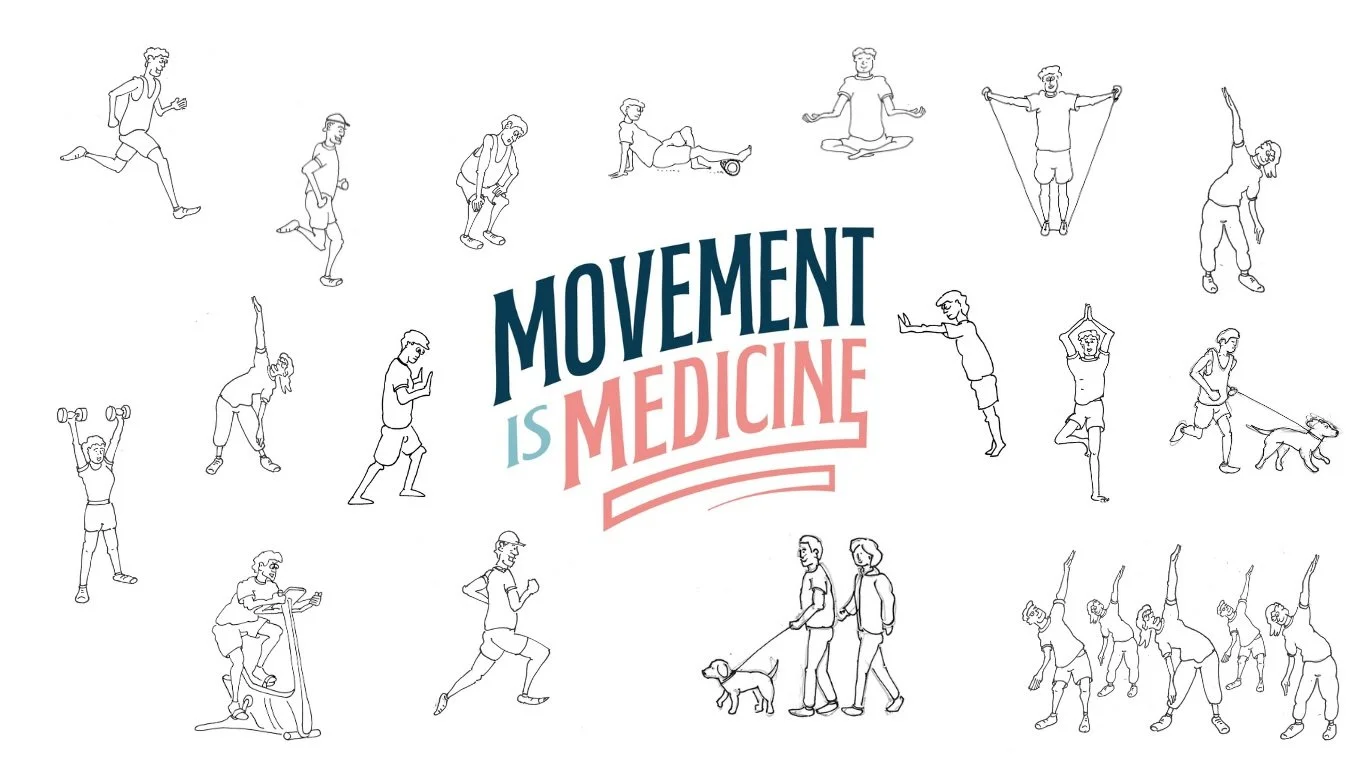
The science of healthy joints, one step at a time.
High stakes
These choices ultimately determine how healthy and independent we remain throughout later life. Collectively, they shape a key public health challenge: reducing the growing burden of musculoskeletal disease through prevention, easing pressure on overstretched health services, and helping more people stay healthier for longer.
Rather than beginning with diagnosis or surgery, Professor Hart starts with common dilemmas. How much exercise is enough? What’s the best response to physical pain? Which running shoes to choose?
Each essay examines and unpacks a widely held assumption, using the latest orthopaedic research to explain what current evidence tells us about movement, pain, exercise and joint health. One essay asks why so many orthopaedic surgeons choose to run, despite spending their professional lives treating damaged joints. Another explores why pain is often a poor guide to tissue damage. Together, they replace intuition and popular belief with evidence, helping readers make more informed decisions about lifelong musculoskeletal health.
From repair to prevention
This reflects a broader evolution in orthopaedics. Surgery remains transformative for many people, but the greatest opportunity lies further upstream: helping people maintain healthy muscles and joints for as long as possible.
This ambition underpins Exercise for Science. Our recent studies have challenged assumptions about running and knee health, developed new imaging biomarkers for muscle health and explored how AI can accelerate our understanding of healthy muscles. Together, they are building a clearer picture of how movement supports lifelong joint health.
A wider conversation
The themes explored in Movement is Medicine are increasingly reaching wider audiences through books, newspapers and podcasts. Recent conversations with Sophie Raworth, The Guardian and Gabby Logan have shown growing public interest in the science behind movement, strength and healthy ageing.
Movement is Medicine brings those conversations together in one place. It invites readers to explore the evidence, challenge assumptions and make better-informed decisions about the choices that shape their health long before they need an orthopaedic surgeon.
Explore Movement is Medicine.